OECDReference EN/KR/K20/EP/00008
Lighting
Official information organised for easier consultation. The source publication remains authoritative.
Identification
Product identification
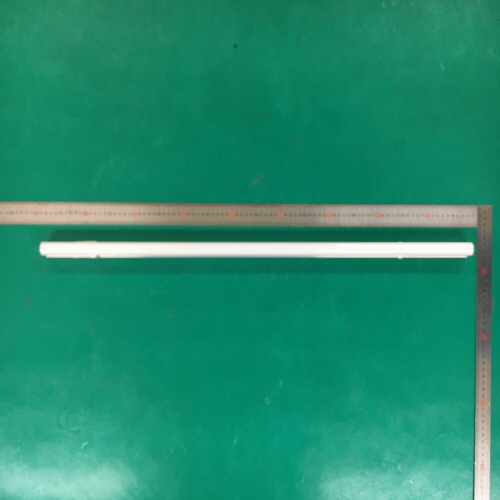
- Product
- Lighting
- Category
- Light Bulbs/Tubes/Light-Emitting Diodes
- Model
- HSC-T512
- Product domain
- Non-foodNagameAlert treatment
Official information
Risk and measures
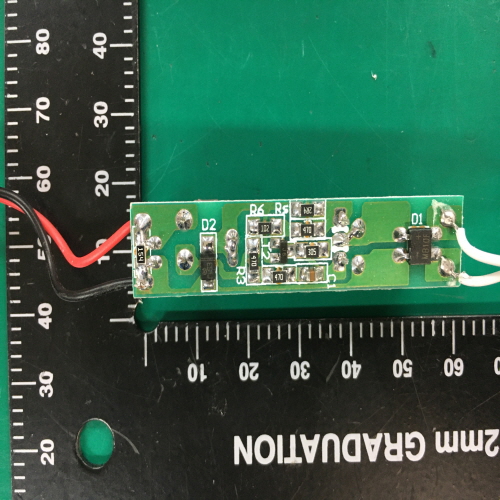
- Risk or hazard
- ㅇ Electric shock protection against live parts - Standard: Test finger shall be designed not to contact live parts - Result: Test finger can contact live parts (Live parts exposed) ㅇ Insulation resistance and dielectric strength – Inadequate dielectric strength of the distance between live parts (LED module) and external metal and the surface that the metal is attached * Test voltage: 2 880 V ㅇ Creepage distance and clearance distance - Insufficient insulation distance between different poles * Allowable level for creepage distance: 2.5 mm / Measured value: 1.01 mm * Allowable level for clearance distance: 1.5 mm / Measured value: 1.01 mm - Insufficient insulation distance between live parts (LED module) and external metal (grounding not connected) and the surface that the metal is attached (grounding not connected) * Allowable level for creepage distance: 5 mm / Measured value: 1.08 mm * Allowable level for clearance distance: 3 mm / Measured value: 1.08 mm ◇ Risk of electric shock due to the risk that the power side is exposed outside ◇ Risk of electric shock if the surface is touched ◇ Risk of electric shock in the event of overvoltage
- Recommendations
- ◇ Consumers who have it must stop using the product immediately. ◇ Contact and visit the place of purchase for exchange, refund or repair, etc.
Official information
Economic operators
- Manufacturer
- -
Territory
Geography
- Distribution
- Retirada en Korea (Republic of)
- Country of recall
- Korea (Republic of)
Provenance and context
NagameAlert distinguishes content published by the source from its organisation and normalisation. Values marked “NagameAlert” belong to that processing layer. Always check measures, scope and updates in the official publication.